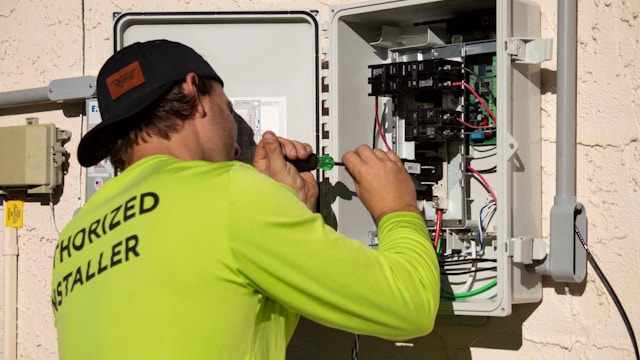
Every week brings a new headline about AI eating white-collar jobs. What gets less attention is a simple, growing fact: AI can’t replace skilled trades. Electricians, plumbers, technicians, and the people who build and run the physical world are set to gain from the same shift that’s shrinking office jobs.
Nvidia CEO Jensen Huang made this point clearly. Speaking about the scale of the AI buildout, he said the industry is going to need electricians, plumbers, carpenters, and technicians by the hundreds of thousands, and that the skilled trades segment of the economy is set for a boom that keeps doubling year after year. This isn’t a minor side note. Data centers don’t build or run themselves. Someone has to wire them, plumb them, cool them, and keep them running once the servers are switched on. That work sits squarely with people who trained with their hands, not people who trained on spreadsheets.
Huang has also said this is simply one of the best times in history to start a company, and looking at where the demand is heading, it’s easy to see why. The infrastructure boom behind AI is creating real, durable, well-paid work at exactly the moment white-collar hiring is getting more cautious.
Why white-collar roles are shrinking
The uncomfortable part of this story is what’s happening on the other side. AI is genuinely changing how much headcount office work needs. Take a finance team crunching numbers for a monthly report. It used to take three people: one to pull the data, one to format it, one to check it for errors. AI collapses most of that into one person’s job. The model pulls the data, formats it, and increasingly self-corrects as it goes, so most of the remaining human time goes into review rather than production. That’s not a hypothetical. It’s already happening inside finance, ops, and admin teams everywhere, and the three-to-one compression isn’t going to reverse itself.
This is the trend Palantir CEO Alex Karp has been blunt about. He’s argued there are really only two reliable ways to know you’ll have a future in this economy: have vocational training, or be neurodivergent. His point on vocational skills lines up with what Huang is describing. Trades are hard to automate because the work is physical, situational, and hands-on. His second point, about neurodivergence, comes from his own experience with dyslexia. He’s made the case that people who think differently, take unconventional paths, and solve problems in non-standard ways are the ones AI struggles to substitute for, because that kind of original thinking isn’t what these models are built to replicate.
Why AI can’t replace skilled trades: the plumber example
Here’s a simple example of why AI can’t replace skilled trades like this one. Say a pipe bursts inside a wall in an old building. A plumber shows up, and before touching a wrench, they’re reading the situation: how old is this building, what kind of piping was likely used at the time, is this a slow leak that’s been rotting the wall for months or a sudden failure, is the water pressure elsewhere in the unit suggesting a bigger problem upstream. They’re feeling for soft spots in the drywall, listening for water behind the tiles, and making judgment calls based on years of seeing buildings age in ways no manual fully captures.
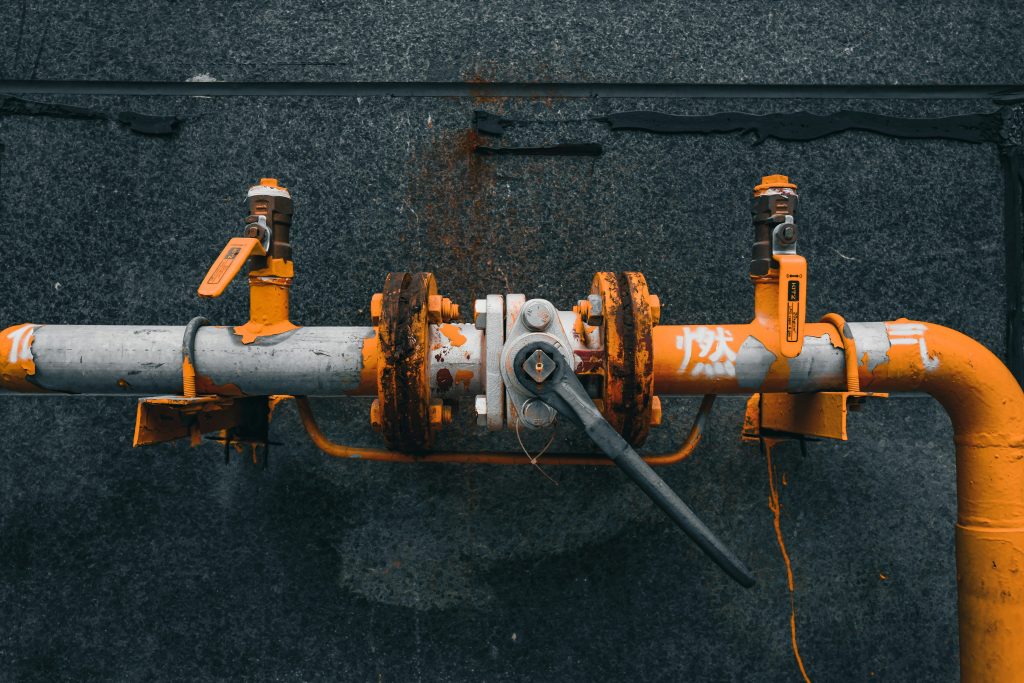
AI can tell you the standard steps to fix a burst pipe. It cannot climb into a crawl space, smell mould before you can see it, or decide on the spot that the “quick fix” will just cause a bigger leak two floors down next year. That kind of physical diagnosis, built on years of direct contact with real, messy, inconsistent buildings, is exactly the kind of work that resists automation. It’s not a coincidence that this is also the kind of work Huang and Karp are both pointing to.
Where Basementgrid fits
This is exactly the world Basementgrid is built for.
We’re the single platform connecting building managers, MCST council members, and vendors around estate maintenance. If you’re new to why this space needs fixing in the first place, we’ve laid out the core problems in Fixing Strata Management in Singapore. For vendors, that means one verified profile that travels with them across every estate they work in, instead of starting from scratch and rebuilding trust with every new building manager or council they deal with. That verified track record becomes something they carry, not something they lose the moment they move to a new job or a new estate.
That matters because it lets skilled vendors focus on what they’re actually good at: the trade itself. Basementgrid handles the layer around it, the scheduling, the communication with building managers, the job history, so vendors aren’t losing hours to admin they didn’t train for and don’t want to be doing. Good customer service becomes something the platform supports structurally, not something that depends entirely on one vendor’s memory or goodwill.
On the other side, building managers and council members get to evaluate vendors based on real, verifiable track records instead of word of mouth or a single quote. When you’re deciding who gets a maintenance contract for your estate, seeing a vendor’s actual history of completed jobs, response times, and how past clients rated the work gives you a much stronger basis for that decision than a cold pitch ever could.
The shift Huang and Karp are describing isn’t abstract. It’s already reshaping who gets hired, who gets paid well, and which skills hold their value. The bottom line is simple: AI can’t replace skilled trades, and the people doing that essential, hard-to-automate work need the infrastructure to be found, trusted, and paid fairly for it. That’s what Basementgrid exists to provide.