Trust, but Verify
Say you ask a colleague to fix a few errors in a document before it goes to a customer. You trust them. They’re capable, they said they’d do it, and you have your own work to get on with.
But you still open the file before you hit send. Maybe they fixed three of the four errors. Maybe they fixed it in the wrong version. Maybe they got pulled into something else and never touched it. If the customer finds the mistake, they won’t email your colleague. They’ll email you. Your name is on it, so you’re the one who needs to check.
Trusting someone to do the work doesn’t mean you skip confirming it’s done.
Why Council Members Take the Blame
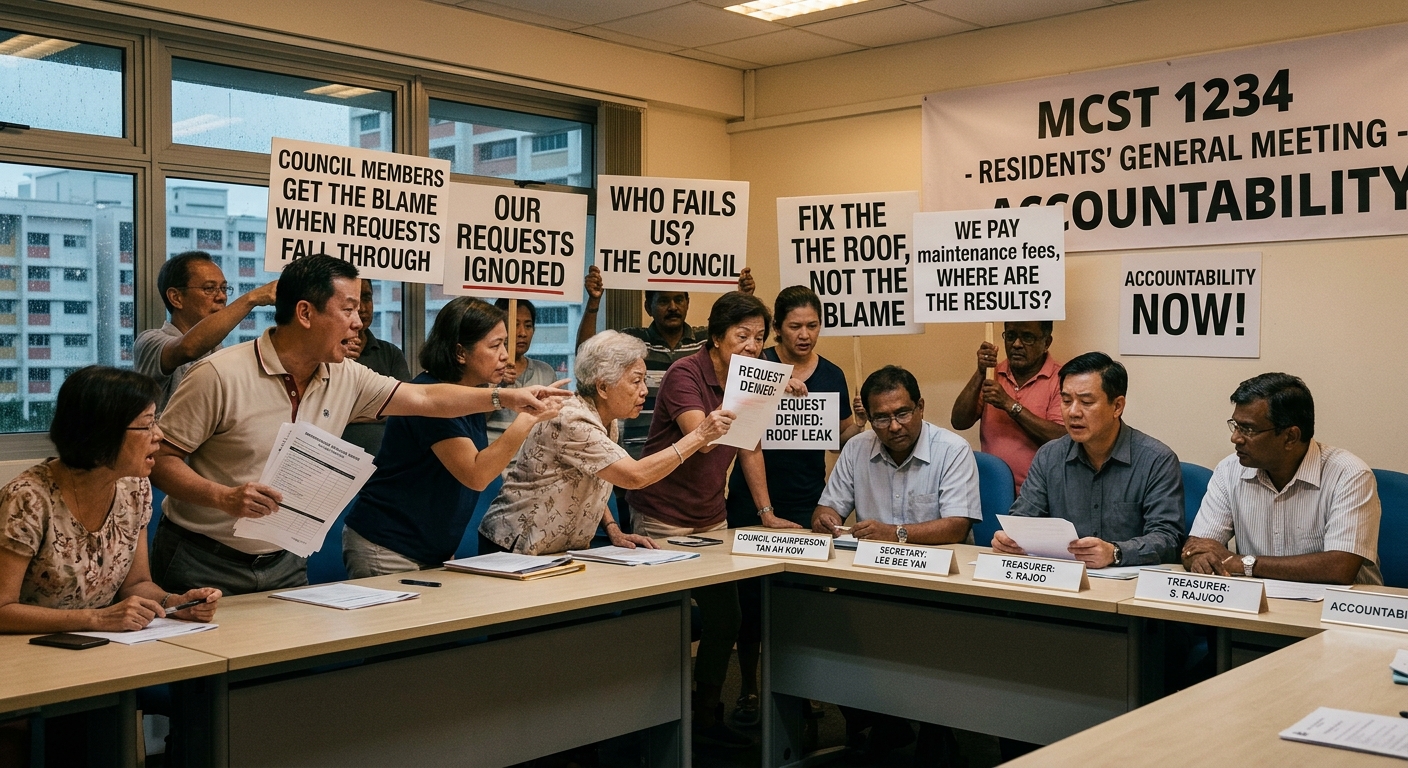
I’ve spoken to many past MCST council members, and a lot of them say the same thing. They feel unappreciated. When something in the estate isn’t fixed, the tenants and residents come after them. Over time they stop seeing why they’re on the council at all. All they see is the downside, so they quit.
I think this is very common, and the cause is uncomfortable. A request made by word of mouth usually isn’t followed up. A resident mentions a broken light to a council member, who mentions it to the building manager in passing, who says “will do”. Then everyone gets busy and it’s forgotten. Nobody was lazy on purpose.
The one who feels it is the person who asked. They don’t know the request got lost. They only know it never got fixed, and they blame the council member.
So there’s either no system to track requests, or there is one and nobody uses it. Most estates have been told at some point to log everything in the system. Few actually do, because most people don’t like writing things down. That’s just human nature, and no reminder from the council will change it.
How Basementgrid Differs from Other CMMS Tools
Most CMMS tools assume the team will log things diligently. They’re built for internal teams with a facilities manager who’s paid to fill in the system. An MCST depends on outside vendors, volunteer council members and a building manager who might be juggling several estates. The system only works if everyone remembers to use it. When it doesn’t, you get what we call ghost maintenance: work gets done, but nobody records it in a way the MCST can trust.
We took the opposite approach: make the system easier than not using it.
- Reporting a fault takes a photo and a line of text. Scan the QR code at the location, or let the building manager snap it on site.
- Every role has one job at each stage, so a work order moves from the building manager to the council, to the vendor, and back to whoever verifies and pays it, without anyone having to chase. If it sits too long, reminders go out automatically. Here’s how the 5 roles work together.
- Payment is tied to proof. The technician clocks in with GPS and submits photos taken on site (no uploads from the photo library). Work above the council’s approval threshold needs an approver’s sign-off before it goes ahead.
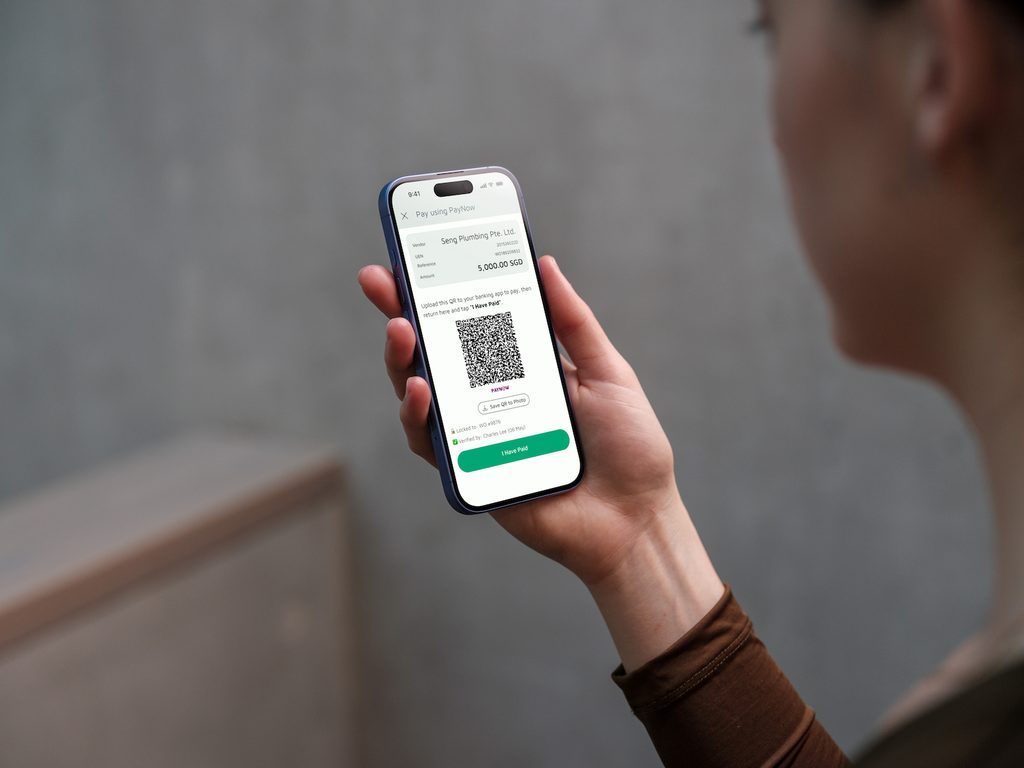
Nobody has to believe a status update. The record is there to check. That’s “verify” built into the process, so council members don’t have to chase every request themselves. It’s also what we mean by “Fix the process, not the people.”
Can Basementgrid Protect Council Members from Legal Liability?
The other thing I hear is fear. Council members are volunteers, yet they can be accused of breaking the law, or of not acting on something they should have. That’s a lot to carry for an unpaid role.
I want to be careful here. Basementgrid can’t take away legal responsibility, and we aren’t a law firm. What it does is give you a record. When someone asks “did the council know?” or “what did you do about it?”, you can show:
- when the issue was reported, and by whom
- who it was assigned to and when
- who approved the spend, at what amount, and when
- what proof of work was submitted
- that lift servicing, fire safety and warranty deadlines were tracked, with reminders sent before they lapsed
Without a record, you’re relying on memory and a WhatsApp scroll. With one, you can show that the council acted in good faith and followed a process. The record also stays with the estate when the MA or the council changes, so the next council doesn’t inherit gaps.
Start with One Work Order
If you’re a council member thinking of quitting, the problem probably isn’t you. It’s that you’ve been holding the follow-up in your head. You can set up a workspace in about 3 minutes and run a first work order with your existing vendor. Book a 15-minute demo or try it free.
Leave a Reply